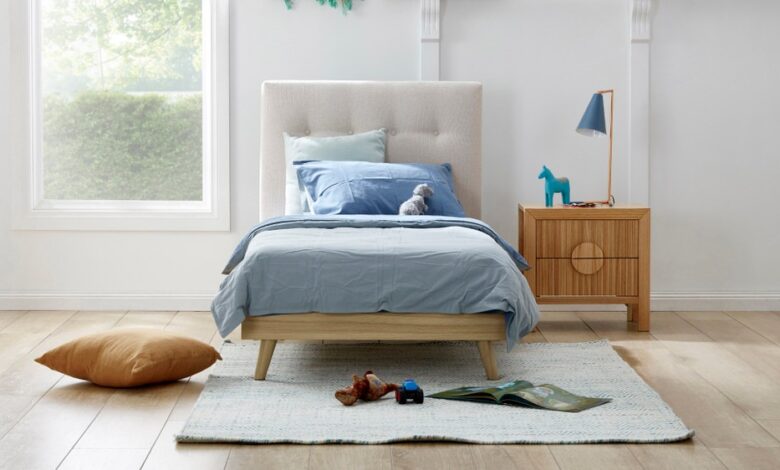
A single bed is the ideal solution for bedrooms where space matters. Compact yet comfortable, it’s perfect for kids’ rooms, guest bedrooms, studio apartments, and multipurpose spaces where every square metre counts. Whether you’re furnishing a child’s first bedroom or creating a cosy retreat for visitors, a single bed offers practicality without compromising on style. Below is a comprehensive, 1000+ word guide to help you decide if a single bed is right for your home—and how to choose one you’ll love for years.
Why Choose a Single Bed?
Single beds thrive in places where efficiency and versatility are top priorities. They deliver comfort for solo sleepers without overwhelming the room, leaving space for wardrobes, desks, play areas, and clear pathways.
The Standout Benefits
- Space-Saving Design: Ideal for small bedrooms, apartments, or shared spaces. A single bed maximises floor area, making rooms feel more open and functional. This is especially helpful in homes where secondary bedrooms must also serve as study rooms or playrooms.
- Perfect for Kids and Teens: A single bed offers plenty of room for growing children without taking up too much floor space. For younger kids, it keeps the room safe and navigable; for teens, it pairs well with a compact desk and storage solution.
- Great for Guest Rooms: Provide visitors with a comfortable sleeping option without overcrowding the room. Two single beds can be placed side-by-side for flexible arrangements or separated for twin occupancy.
- Affordable and Practical: Single beds are budget-friendly while still offering quality and style. You’ll typically find lower prices on frames, mattresses, and bedding compared to larger sizes, which makes updates and refreshes easier on the wallet.
- Easy to Move and Maintain: Lighter and smaller means easier assembly, relocation, and cleaning—perfect for renters and frequent redecorators.
Single Bed vs. Other Bed Sizes: Which One Is Right for You?
A single bed is perfect for compact spaces and solo sleepers, but understanding how it stacks up against other sizes helps you make a confident choice.
- Single Bed: Best for kids, teens, and small rooms. Offers solid comfort in tight spaces and often the most affordable overall setup.
- King Single Bed: Slightly wider and longer than a single, offering extra room for growing teens or taller individuals. A smart middle ground if space allows and you want a bit more stretch.
- Double Bed: Great for solo adults who prefer more space, or occasional couples in smaller bedrooms. However, it may crowd compact rooms and limit furniture placement.
- Queen Bed: Australia’s most popular size for couples. Provides ample room for two adults while fitting most master and larger secondary bedrooms. Not ideal in very tight rooms, as it can constrain circulation.
- King Bed: The ultimate in luxury and space. Perfect for large master bedrooms and those who love extra room—or families who co-sleep. Definitely not suited to small or multifunctional rooms.
Quick tip: If your room frequently doubles as a workspace or play area, a single bed keeps the layout flexible and uncluttered.
How to Choose the Best Single Bed
A lot of different factors go into choosing the right single bed for your bedroom. Use this checklist to make selection simpler and smarter.
1) Room Size and Layout
- Measure First: Note the room’s length and width, plus door swing, wardrobe clearance, and any built-in or window alcoves. Leave comfortable walkways (ideally 60–90 cm) around the bed.
- Plan the Furniture Flow: Where will the desk, wardrobe, or bedside table go? A single bed often allows a bedside plus a compact study setup without squeezing the room.
2) Frame Style and Material
- Timber: Warm, timeless, and sturdy. Works well in modern, coastal, and Scandinavian interiors. Look for solid or well-veneered options with durable finishes.
- Metal: Sleek and airy, often more lightweight. Great for contemporary or industrial looks. Check welds and joints for stability.
- Upholstered: Soft headboards add comfort and a tailored feel. Choose performance fabrics for easy cleaning and colourfastness.
- Minimal Profile vs. Statement Headboard: A minimal frame keeps visuals clean in small rooms; a bold headboard can anchor the design and add personality.
3) Mattress Pairing
- Firmness & Sleep Style:
- Side sleepers often prefer medium to medium-soft for pressure relief.
- Back and stomach sleepers may favour medium-firm for support.
- Thickness & Support: Ensure the mattress works with the frame’s slats or base. In kids’ rooms, medium-profile mattresses are practical and safe.
- Materials: Memory foam offers contouring; latex provides buoyant support and durability; pocket springs give balanced comfort and airflow. Choose based on feel, budget, and care preferences.
4) Extra Features
- Storage Drawers: Built-in drawers add valuable space for clothes, toys, or linens—ideal for compact rooms.
- Gas-Lift (Ottoman) Storage: Maximises under-bed storage for bulky items; check lift mechanism quality and warranty.
- Trundle: A second bed that slides underneath—perfect for sleepovers or guest flexibility without permanently occupying floor space.
- Guard Rails & Safety Features (for Kids): Rounded edges, low-VOC finishes, and sturdy construction contribute to a safer sleep environment.
5) Quality and Durability
- Slat Design: Look for evenly spaced, robust slats with a centre support (on larger frames). Quality slats prevent sagging and extend mattress life.
- Joinery and Hardware: Reinforced joints, metal brackets, and solid screws add longevity and quiet performance (no squeaks!).
- Warranty & Service: A clear warranty on frame and mattress indicates confidence in build quality. Read the fine print on weight limits and assembly requirements.
6) Style and Décor Fit
- Modern: Clean lines, neutral tones, low profiles.
- Classic: Timber with carved or paneled headboards and warm finishes.
- Coastal: Light woods, whitewashed frames, woven textures.
- Playful/Kid-Friendly: Bright colours, themed designs, or adaptable neutral bases you can accessorise as tastes evolve.
Styling a Single Bed: Make It Cosy and Chic
Even in a compact room, a single bed can feel luxurious with thoughtful styling.
- Layering: Start with breathable sheets, add a lightweight quilt or coverlet, then a textured throw at the foot. Two standard pillows plus one decorative cushion keep proportions tidy.
- Colour Strategy: Stick to a three-colour palette (e.g., white, sage, and sand) for cohesion. Use pattern sparingly in small rooms to avoid visual clutter.
- Textures: Mix smooth cotton with knits, linen, or a quilted layer for depth. This makes the bed feel inviting without adding bulk.
- Headboard as Focal Point: If your room is minimal, choose a headboard with subtle pattern or upholstery to anchor the space.
Space Planning Tips for Small Rooms
- Go Vertical: Use wall shelves, tall wardrobes, and pegboards to keep surfaces clear.
- Multipurpose Furniture: A bedside table with drawers or a compact desk that can double as a dressing table saves space.
- Under-Bed Storage: Drawers or lift-up bases capture otherwise wasted space—especially helpful in kids’ rooms.
- Lighting: Wall-mounted lamps or sconces free up the bedside surface and visually expand the room.
Budget, Value, and Longevity
- Total Cost of Ownership: Consider frame, mattress, bedding, and add-ons like storage. A well-built single bed often costs significantly less than a larger setup—without sacrificing comfort.
- Where to Invest: Spend on mattress quality and frame stability; save on accessories that you can refresh seasonally.
- Durable Finishes: Easy-clean fabrics and hard-wearing finishes reduce maintenance costs and extend the life of your bed.
Care and Maintenance
- Regular Cleaning: Dust the frame, vacuum under the bed, and clean upholstered headboards with fabric-safe cleaners.
- Mattress Care: Rotate (and flip if reversible) per manufacturer guidance; use a breathable protector to guard against spills and stains.
- Hardware Check: Tighten screws and brackets every few months to prevent wobble and squeaks—especially important in kids’ rooms.
Common Mistakes to Avoid
- Ignoring Measurements: Eyeballing can lead to cramped layouts. Measure and map your room before buying.
- Overdecorating: Too many cushions or heavy layers can make a small bed look crowded. Keep it simple and intentional.
- Choosing Style Over Function: A beautiful bed that doesn’t fit or support your mattress well will disappoint. Prioritise structure and comfort, then decorate.
- Skipping Storage in Small Rooms: If you’re tight on space, choose a frame that works harder—drawers or gas-lift bases make everyday life easier.
Quick Buying Checklist
- Room Fit: Measured clearances and furniture placements
- Frame Style: Timber / Metal / Upholstered; minimal vs. statement
- Mattress Feel: Side/back/stomach sleeper needs; foam/latex/pocket spring
- Extras: Storage drawers / Gas-lift / Trundle / Safety rails
- Durability: Slat quality, joinery, hardware, warranty terms
- Décor Match: Modern, classic, coastal, playful
- Budget: Prioritise mattress and frame quality; plan for bedding updates
Frequently Asked Questions (FAQs)
Q: Is a single bed big enough for a teenager?
A: Yes, for most teens—especially in smaller rooms. If your teen is tall or wants extra space, consider a king single for added length and width.
Q: Can a single bed work in a guest room?
A: Absolutely. Two singles offer flexible arrangements; a single plus a trundle is a great solution for occasional guests.
Q: What mattress type pairs best with a single bed?
A: It depends on preference. Memory foam for contouring, pocket springs for balanced support and airflow, latex for durable, buoyant feel. Match firmness to sleep style.
Q: How do I make a single bed look “grown-up”?
A: Choose a refined headboard, keep a minimal pillow arrangement, and use coordinated bedding in a simple colour palette with one standout texture (e.g., quilted coverlet).
Shop for the Perfect Single Bed
Whether you’re buying a single bed for your kid’s bedroom or guest room, a single bed can do wonders in terms of space and affordability. Explore a curated range that includes storage-friendly frames, trundles for flexible arrangements, and styles from modern to coastal that suit Australian homes and lifestyles. If you’re browsing retailers like Focus on Furniture, look for clearly stated warranties, robust construction, and mattress compatibility details to ensure long-lasting comfort and support.