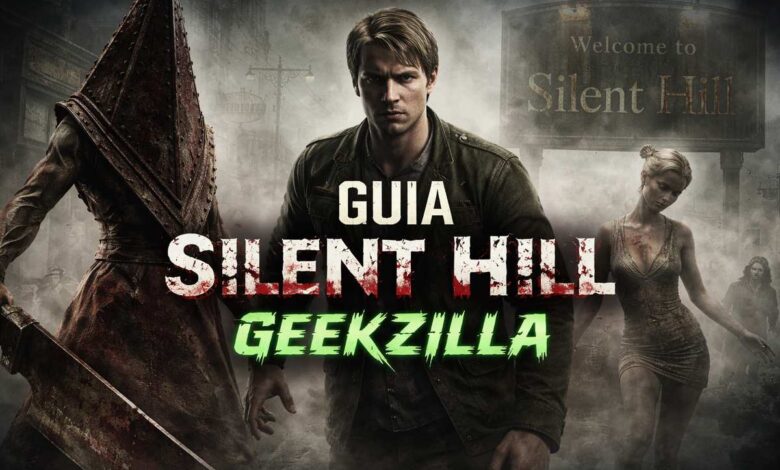
Silent Hill is not just a horror game series; it is a psychological journey that challenges how fear is perceived in interactive media. Instead of relying on fast-paced action or excessive violence, Silent Hill builds dread through atmosphere, symbolism, and emotional storytelling. Players are drawn into a world where fear feels personal and deeply unsettling. This article explores the Silent Hill universe in depth through the analytical perspective inspired by Guia Silent Hill Geekzilla, focusing on lore, design philosophy, and psychological meaning.
The Birth of Silent Hill
The Silent Hill franchise began in 1999 when Konami released the first title for PlayStation. Developed by Team Silent, the game was created during a time when survival horror was gaining popularity. However, instead of following industry trends, the developers chose a different path. They focused on emotional horror, loneliness, and mental anguish. This creative decision allowed Silent Hill to stand apart and establish a unique identity that still influences horror games today.
The Town as a Psychological Entity
Silent Hill is not a normal town. It reacts, transforms, and reshapes itself based on the emotions and memories of those who enter it. Buildings decay, environments shift, and familiar locations become hostile. The town acts as a mirror of the subconscious, forcing characters to confront suppressed guilt and trauma. Understanding Silent Hill as a psychological space is essential to grasping the deeper meaning of the series.
Fog and Isolation as Design Tools
One of the most recognizable features of Silent Hill is its thick fog. While initially introduced due to technical limitations, it became a defining element of the franchise. The fog restricts vision, increases anxiety, and creates a sense of isolation. Players never feel safe because danger may exist just beyond what they can see. This design choice turns uncertainty into a constant source of fear.
The Otherworld and Its Meaning
The Otherworld represents a twisted version of reality. Rusted metal, blood-stained walls, and distorted environments reflect the internal suffering of the protagonist. Transitions to the Otherworld are often marked by sirens, creating anticipation and dread. Each version of the Otherworld is unique, symbolizing the mental state of the character experiencing it.
Psychological Horror Over Physical Threats
Silent Hill’s horror is rooted in the mind rather than the body. Enemies are disturbing not because of their strength but because of what they represent. The fear comes from interpretation, not confrontation. Players are left to question what is real, what is imagined, and what is a manifestation of inner pain. This approach makes the horror more personal and long-lasting.
Symbolism Behind the Monsters
Creatures in Silent Hill are symbolic representations of guilt, fear, repression, and trauma. They are not random designs but carefully crafted metaphors. Iconic figures like Pyramid Head represent punishment and self-inflicted torment. These symbolic elements add layers of meaning that encourage analysis and discussion, a core concept often highlighted in Guia Silent Hill Geekzilla interpretations.
Storytelling Through Environment
Silent Hill tells its story without relying heavily on cutscenes. Abandoned rooms, scattered notes, broken furniture, and disturbing imagery reveal fragments of the narrative. Players piece together the story through exploration and observation. This indirect storytelling method makes the experience more immersive and encourages deeper engagement.
Complex Characters and Emotional Depth
Protagonists in Silent Hill are ordinary people facing extraordinary psychological trials. Their personal struggles drive the narrative forward. Loss, regret, and emotional denial are recurring themes. These characters feel human, flawed, and relatable, which makes their journeys emotionally impactful rather than purely entertaining.
Multiple Endings and Player Choice
Many Silent Hill games feature multiple endings based on player behavior. Actions such as exploration, combat decisions, and interactions influence the outcome. This system reinforces the idea that Silent Hill responds to the individual. It also encourages replayability and interpretation, allowing players to reflect on how their choices shape the story.
Gameplay That Reinforces Vulnerability
Silent Hill’s gameplay mechanics are intentionally restrictive. Combat is awkward, weapons are unreliable, and resources are limited. These limitations make players feel vulnerable and cautious. Instead of empowerment, the game emphasizes survival and emotional tension, aligning perfectly with its psychological horror goals.
Puzzle Design and Mental Engagement
Puzzles in Silent Hill require logical thinking and contextual understanding. Many are connected to the game’s themes, literature, or symbolism. Solving them often requires paying attention to environmental clues rather than following instructions. This design approach keeps players mentally engaged throughout the experience.
Sound Design and Emotional Impact
Audio plays a crucial role in Silent Hill. Industrial noises, distant screams, static from radios, and sudden silence all contribute to the atmosphere. Music composer Akira Yamaoka created soundscapes that evoke sadness, fear, and isolation. The sound design is as important as visuals in delivering psychological tension.
Influence on Modern Horror Games
Silent Hill has had a lasting impact on the horror genre. Many modern horror games borrow its emphasis on atmosphere, mental health themes, and environmental storytelling. The franchise proved that fear does not need to be loud or violent to be effective. This influence continues to shape horror narratives today.
Silent Hill Beyond Gaming
The Silent Hill franchise expanded into films, comics, and cultural discussions. While adaptations vary in quality, they introduced the series to wider audiences. Silent Hill also sparked conversations about trauma, grief, and psychological suffering in interactive media, reinforcing its artistic significance.
Why Silent Hill Still Resonates
Silent Hill remains relevant because its themes are timeless. Fear of loss, guilt, and identity are universal human experiences. The games do not rely on trends or technology alone but on emotional storytelling. This depth keeps the franchise meaningful even decades after its original release.
Analyzing Silent Hill Through Modern Perspectives
Today, Silent Hill is often analyzed through psychological, philosophical, and symbolic lenses. Fans and critics continue to interpret its meaning, uncovering new insights with each discussion. The analytical approach promoted by Guia Silent Hill Geekzilla reflects how Silent Hill rewards thoughtful engagement rather than passive play.
Advice for First-Time Players
New players should approach Silent Hill with patience and curiosity. Exploration is more important than combat. Reading notes, observing surroundings, and embracing uncertainty enhances the experience. Silent Hill is best played slowly, allowing its atmosphere and symbolism to unfold naturally.
Final Thoughts on Silent Hill
Silent Hill stands as a masterpiece of psychological horror. Its ability to blend fear, emotion, and symbolism creates an experience that goes beyond entertainment. By understanding its deeper themes, players can appreciate why Silent Hill continues to influence horror storytelling. This exploration reflects the core philosophy behind Guia Silent Hill Geekzilla, focusing on meaning rather than surface-level scares.
(FAQs)
What type of horror does Silent Hill focus on?
Silent Hill focuses on psychological horror, using atmosphere and symbolism instead of action-based fear.
Do Silent Hill games need to be played in order?
No, most Silent Hill games tell standalone stories, though they share themes and settings.
Why are Silent Hill monsters so disturbing?
They are designed as symbolic representations of emotional trauma and inner conflict.
Is Silent Hill more story-driven or gameplay-driven?
Silent Hill is primarily story and atmosphere-driven, with gameplay supporting emotional immersion.
Why is Silent Hill still discussed today?
Its deep psychological themes, symbolism, and unique design make it timeless and open to interpretation.