
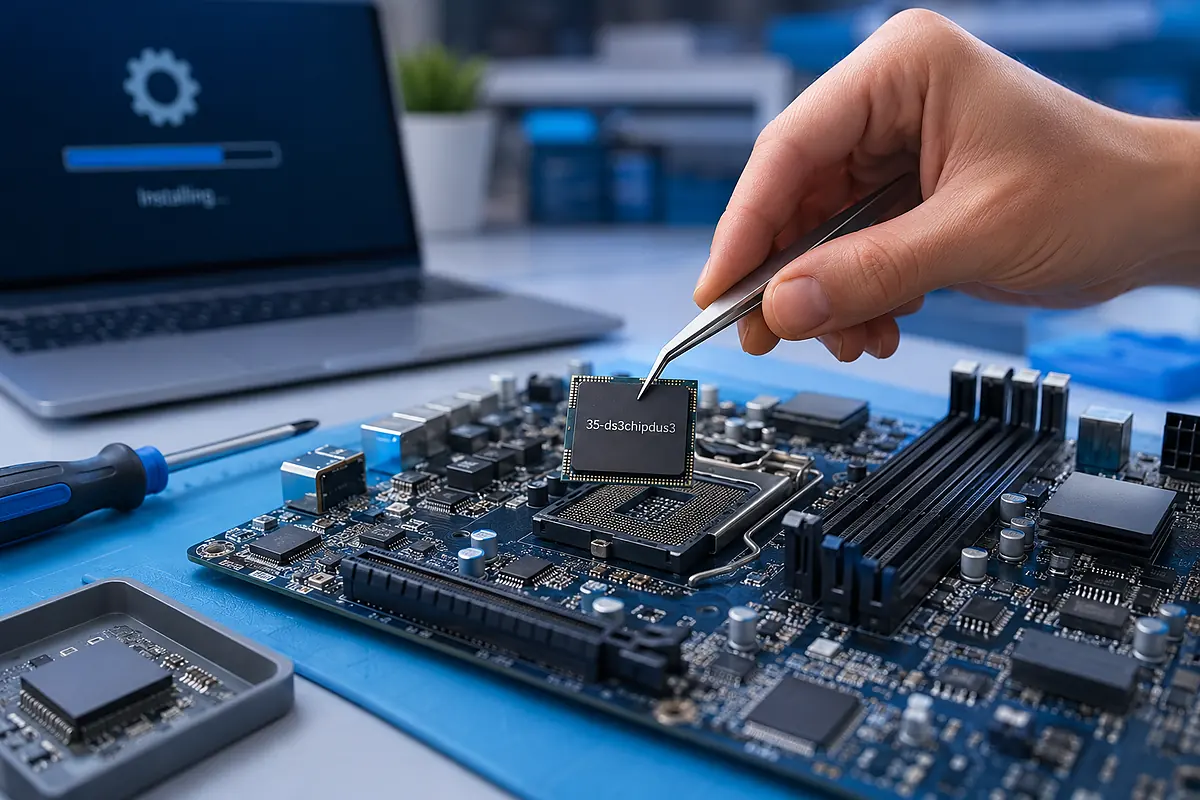
Before starting any installation, it is important to understand what 35-ds3chipdus3 refers to in your setup. In many technical cases, a model name like this may relate to a chipset, hardware module, firmware package, driver component, or device-specific installation file. Because names like 35-ds3chipdus3 are often used for specialized systems, you should first confirm that the file, chip, or component you have is meant for your exact device or platform.
A careful installation process protects your device from errors, compatibility issues, and performance problems. Many users rush into setup without checking system requirements, power safety, driver support, or manufacturer instructions. That can lead to failed installation, unstable performance, or even permanent hardware damage. This guide explains the process in a clear and practical way so you can complete the setup with confidence.
Check Compatibility First
The first step in learning How to Install 35-ds3chipdus3 is checking compatibility. You should confirm whether the component supports your device model, operating system, motherboard, software version, or hardware interface. If it is a physical chip or module, check the socket type, voltage rating, pin layout, and supported board revision.
If 35-ds3chipdus3 is a software or driver package, check whether it supports Windows, macOS, Linux, or any other system you are using. Also review whether your system needs a 32-bit or 64-bit version. Installing the wrong package can cause errors during setup or create problems after restart. Compatibility checking may feel like a small step, but it is one of the most important parts of a clean installation.
Gather the Required Tools
Before beginning the setup, collect everything you may need. For a hardware installation, this may include a small screwdriver, anti-static wrist strap, clean workspace, thermal pad if required, and the official installation manual. If you are working with a software package, make sure you have the installer file, administrator access, backup storage, and a stable internet connection if updates are needed.
You should also keep your device charger or power cable connected if you are installing on a laptop or embedded system. A sudden shutdown during installation can corrupt files or interrupt firmware writing. For safety, avoid installing during power fluctuations. A stable environment helps the process finish smoothly and reduces the chance of unexpected failure.
Back Up Important Data
Before installing 35-ds3chipdus3, always create a backup of important files and current settings. If the installation affects drivers, firmware, system files, or hardware configuration, there is always a small risk of failure. A backup gives you a way to recover your system if something does not work as expected.
You can back up documents, system restore points, configuration files, or full disk images depending on the level of risk. For professional systems, it is also wise to write down the current version numbers of drivers, firmware, and BIOS settings. This makes troubleshooting easier if you need to return to the previous configuration.
Download From a Trusted Source
If 35-ds3chipdus3 is a software, driver, or firmware file, download it only from a trusted source. The safest option is always the official manufacturer website, verified support portal, or authorized distributor. Avoid random download pages because modified installers can include malware, outdated files, or broken packages.
After downloading, check the file name, version number, and digital signature if available. Some manufacturers also provide checksums such as SHA-256 or MD5 values. Matching the checksum confirms that the file was not damaged or changed during download. This extra step is especially useful when working with firmware or system-level drivers.
Prepare the Device for Installation
Preparation depends on whether you are installing hardware or software. For hardware, turn off the device completely, unplug the power cable, and remove the battery if the design allows it. Press the power button for a few seconds after unplugging to discharge remaining electricity. Work on a flat, clean surface and avoid carpets because they can create static electricity.
For software installation, close unnecessary programs before starting. Disable temporary background tasks that may interfere with setup, but do not turn off important security tools unless the official guide specifically recommends it. Make sure your account has administrator permission. If the installer requires a restart, save all open work before continuing.
Install the Hardware Component Carefully
If 35-ds3chipdus3 is a physical chip or board module, inspect it before installation. Look for bent pins, scratches, burn marks, or broken connectors. Never force a chip into a slot. Most hardware components are designed to fit only one way, and forcing them can damage both the component and the main board.
Align the chip or module with the correct socket or connector. Press it gently and evenly until it sits properly. If screws are required, tighten them carefully without applying too much pressure. Over-tightening can crack boards or damage threads. After installation, double-check all cables, connectors, and surrounding parts before closing the device.
Install the Driver or Software Package
If your setup includes a driver or software installer, open the installation file as an administrator. Follow the on-screen instructions carefully. Choose the recommended installation option unless you have a specific reason to customize the setup. During installation, the system may copy files, update drivers, register services, or configure device settings.
Do not interrupt the process once it begins. If the screen appears stuck, wait for a reasonable amount of time before taking action. Some driver or firmware installations may take longer than normal software installs. Once the process completes, restart the system even if it does not ask you to. A restart helps the system load the new files correctly.
Configure Basic Settings After Setup
After installing 35-ds3chipdus3, check whether the system recognizes it properly. On Windows, you can open Device Manager to see if the device appears without warning signs. On Linux, you may use system logs or hardware listing commands. For embedded systems, check the device control panel, BIOS, or dedicated configuration utility.
If configuration options are available, use the default settings first. Default settings are usually tested for stability and compatibility. After confirming that the installation works, you can adjust performance, power, or advanced features as needed. Avoid changing multiple settings at once because it makes troubleshooting harder if a problem appears.
Test the Installation
Testing is an important part of the process. After setup, run a basic function test to confirm that 35-ds3chipdus3 is working as expected. If it is a driver, check whether the connected device responds properly. If it is a chip or module, monitor system behavior, temperature, boot time, and performance.
You should also check for error messages, system crashes, connection drops, or unusual sounds if hardware is involved. A successful installation should feel stable during normal use. If you notice repeated errors, stop using the component heavily until the issue is identified. Early testing can prevent bigger problems later.
Troubleshooting Common Problems
If the system does not detect 35-ds3chipdus3, first check the physical connection or installation path. For hardware, make sure the chip is seated correctly and all cables are connected. For software, confirm that the installer version matches your operating system. Restarting the device can also solve simple detection problems.
If you see an error during installation, read the message carefully instead of skipping it. Many errors point directly to the cause, such as missing permissions, unsupported system version, corrupted file, or blocked driver. Re-downloading the installer from the official source may fix damaged file issues. If the problem continues, check the official support documentation or contact the manufacturer.
Keep the System Updated
After installation, keep your related drivers, firmware, and system files updated. Updates often fix bugs, improve stability, and add compatibility with newer systems. However, you should avoid installing unofficial update files because they can create more problems than they solve.
Before applying major updates, create another backup or restore point. This is especially important for firmware because a failed firmware update can be difficult to repair. A steady update routine keeps your system secure and reliable without unnecessary risk.
Maintenance Tips for Long-Term Use
Good maintenance helps 35-ds3chipdus3 continue working properly. Keep your device clean, avoid overheating, and check connections from time to time if the component is hardware-based. Dust buildup can affect cooling and cause performance problems, especially in compact systems.
For software-based installations, remove old versions only when the new version is confirmed to work. Keep a copy of the stable installer in case you need to reinstall later. Also review system logs if performance changes after updates. Small checks like these can save time and prevent future setup problems.
Safety Mistakes to Avoid
One common mistake is installing without reading the manual or checking compatibility. Another is downloading files from unknown websites. Users may also force hardware into the wrong slot, skip backups, or shut down the system during installation. These mistakes can turn a simple setup into a difficult repair job.
To avoid trouble, work slowly and follow each step in order. If something does not fit or the installer shows a serious warning, stop and review the situation. Installation is not only about getting the component running; it is also about protecting the device and keeping the system stable.
Final Thoughts
Learning How to Install 35-ds3chipdus3 becomes much easier when you follow a careful process. Start with compatibility, use trusted files, prepare your device, complete the installation patiently, and test the result before regular use. Whether it is a hardware component, driver, or firmware-related package, the safest method is always the one that protects your system first.
A clean installation can improve performance, stability, and device support when done correctly. However, if your setup involves sensitive hardware or firmware, do not guess. Use official documentation and expert support whenever needed. With the right preparation, 35-ds3chipdus3 can be installed in a smooth and dependable way.
More Details : Why Use Fidzholikohixy? Exploring Its Features, Benefits, and Real-World Advantages
FAQs
What is 35-ds3chipdus3 used for?
35-ds3chipdus3 may refer to a device-specific chip, driver, firmware, or technical component. Its use depends on the system or product it belongs to, so always check the official documentation.
Is it safe to install 35-ds3chipdus3?
Yes, it can be safe if you use the correct version, follow the official instructions, and download files from a trusted source. Avoid unknown websites or unverified installers.
Do I need technical skills to install it?
Basic installation may be simple, but hardware or firmware setup can require technical knowledge. If you are unsure, it is better to get help from a technician.
Why is my system not detecting 35-ds3chipdus3?
The issue may be caused by poor connection, wrong driver version, unsupported system, or a corrupted installer file. Check compatibility and reinstall carefully.
Should I update 35-ds3chipdus3 after installation?
Yes, updates can improve performance and stability. However, only install updates from official or trusted sources to avoid security and compatibility problems.